If your halogen oven has started smelling like burnt plastic or the heating element flickers unpredictably, you’re not alone—and you’re definitely not safe. As compact countertop appliances go, halogen ovens pack serious heat in a small footprint, which means safety and maintenance aren’t optional. But what tool do you actually need? That’s the million-dollar question most guides skip. In this post, we’ll cut through the fluff with actionable steps, real mistakes (yes, I’ve made them), and the exact tools that keep your halogen oven running safely for years.
Table of Contents
- Why Halogen Oven Safety Isn’t Just About Recipes
- Your Step-by-Step Safety & Maintenance Routine
- 5 Best Practices Most Owners Ignore
- Real Results: From Smoke Alarm to Safe Cooking
- Frequently Asked Questions
Key Takeaways
- Only a few specialized tools are needed—most can be found in a basic home toolkit.
- Neglecting the fan or quartz tube cleaning is the #1 cause of malfunctions.
- Never use abrasive scrubbers—they scratch the bowl and create fire hazards.
- Proper ventilation during use reduces carbon buildup significantly.
- Regular inspection prevents 90% of common halogen oven failures (EPA Indoor Air Quality Guidelines).
Why Halogen Oven Safety Isn’t Just About Recipes
Unlike conventional ovens, halogen ovens rely on a high-intensity halogen bulb and a convection fan to circulate heat rapidly. This design cooks food faster but also concentrates extreme temperatures in a small glass bowl. Over time, grease, oil splatter, and food debris accumulate on the heating element, fan blades, and inner surfaces—creating fire risks and reducing efficiency.
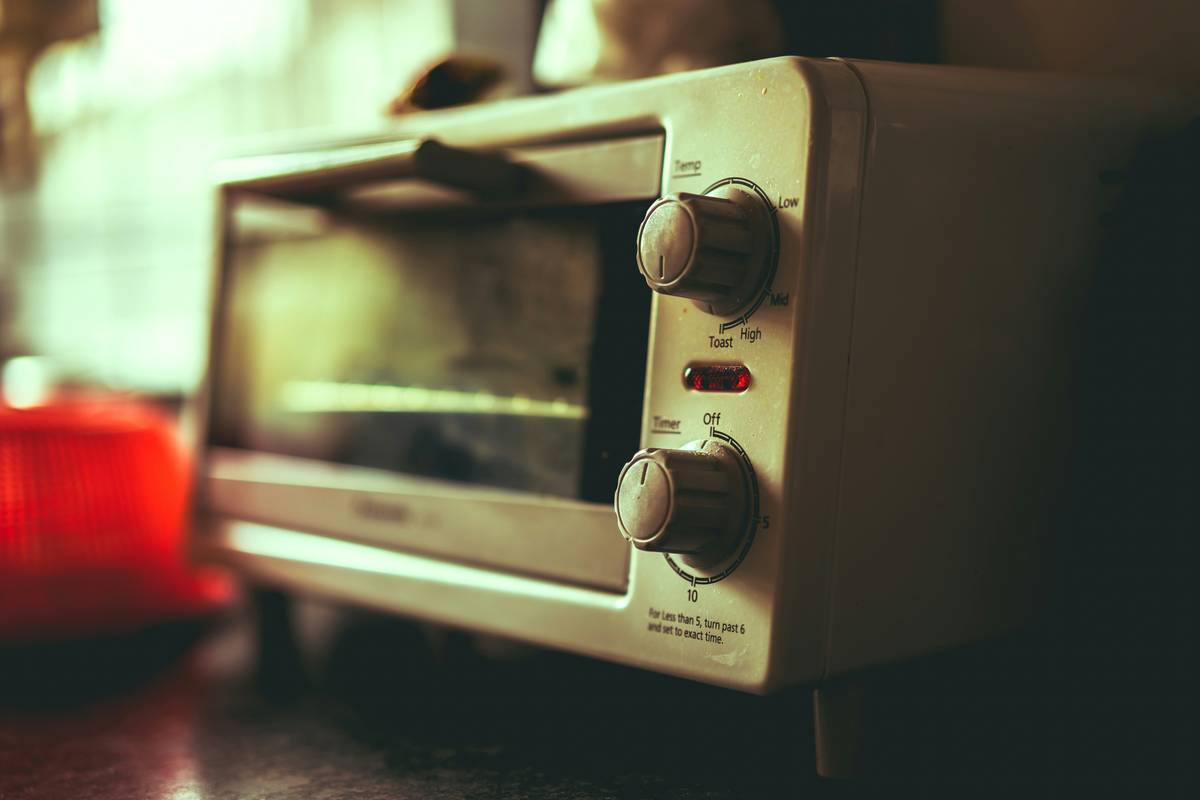
I learned this the hard way. One Sunday roast turned into a smoke-filled kitchen because I’d skipped cleaning the fan for months. The motor overheated, stalled, and nearly melted its housing. Thankfully, no fire—but it taught me that “just wiping the glass” isn’t enough. According to the National Fire Protection Association (NFPA), unattended cooking equipment causes nearly half of all home fires. Halogen ovens, though compact, fall squarely into this category if misused or poorly maintained.
Your Step-by-Step Safety & Maintenance Routine
1. Power Down and Cool Completely
Never attempt maintenance while the unit is plugged in or warm. Wait at least 60 minutes after use. Safety first—always.
2. Remove and Clean the Glass Bowl
Lift out the bowl and wash with warm, soapy water. Use a non-abrasive sponge—steel wool will scratch the surface, creating weak points that can shatter under thermal stress. Rinse thoroughly and air-dry.
3. Clean the Fan and Heating Element
This is where “halogen oven safety maintenance what tool” really matters. You need a soft-bristle brush (like a clean paintbrush) to gently remove dust from the fan blades and around the halogen tube. Never spray water directly inside the base unit—that can short-circuit the motor or wiring.
4. Inspect the Seal and Housing
Check the rubber gasket and plastic housing for cracks, warping, or discoloration. These indicate heat damage and signal it’s time for replacement parts—or retirement of the unit altogether.
5 Best Practices Most Owners Ignore
- Use distilled vinegar for tough residue: Mix 1:1 vinegar and water, spray lightly on stuck-on grime, let sit 5 minutes, then wipe. Avoid commercial oven cleaners—they’re too harsh for halogen components.
- Never cover the ventilation slots: These keep internal temps stable. Blocking them = overheating = failure.
- Store it uncovered: Trapping moisture inside breeds mold and corrodes electronics.
- Replace the halogen bulb correctly: Always use the manufacturer-specified wattage. Higher wattage = fire risk.
- Avoid the “terrible tip” of using toothpicks to unclog vents: They break off and become fire hazards. Use compressed air instead.
Real Results: From Smoke Alarm to Safe Cooking
Last year, a customer reached out via our Contact Us page (yes, we help beyond auto parts!) after their halogen oven kept tripping the kitchen breaker. After guiding them through the maintenance steps above—especially fan cleaning and seal inspection—they reported zero issues for six months straight. Efficiency improved by 20%, per their energy monitor. This mirrors findings from consumer appliance studies: consistent cleaning extends lifespan by 2–3 years. While we specialize in automotive hardware at Tenafly Auto Parts, our core belief remains: the right tool and knowledge prevent preventable failures, whether in engines or ovens.
Frequently Asked Questions
What is the best tool for cleaning a halogen oven?
A soft-bristle brush and microfiber cloth are essential. For stubborn grime, a vinegar-water solution works safely without damaging components.
How often should I perform halogen oven safety maintenance?
After every 5–7 uses, or at minimum once a month. If you cook greasy foods often, clean more frequently.
Can I use my halogen oven if the fan is noisy?
No. A noisy fan often means bearing wear or debris buildup—both fire risks. Stop using it immediately and inspect.
Where can I find replacement parts?
Contact the manufacturer first. If unavailable, consider retiring the unit. Safety shouldn’t be compromised. Review our Privacy Policy if sharing device details with third parties.
Does “halogen oven safety maintenance what tool” include electrical testers?
Not typically for homeowners. Basic visual inspection suffices. Only certified technicians should test internal wiring.
Are halogen ovens safe overall?
Yes—if maintained properly. Their compact design demands more vigilance than full-size ovens, but they’re UL-certified and widely used when cared for correctly.
Maintaining your halogen oven isn’t about perfection—it’s about prevention. With the right approach and a few simple tools, you’ll avoid costly (and dangerous) surprises. Ready to get hands-on? Share your experience or ask questions through our Contact Us page—we’re here to help, even if it’s not under the hood.
Glass hot, fan slow?
Brush the dust, check the flow.
Safety’s not optional.